The most dangerous AI problem at work is not that models will replace engineers tomorrow morning.
It is that people who never had to operate software in production are starting to speak as if they understand the full lifecycle of software.
We have seen this movie before. SQL. Pandas. Cloud certifications. ML. Blockchain. Now AI. Every wave has a moment where a useful tool becomes a management status symbol. Suddenly, someone who wrote a few scripts is confident they understand architecture, reliability, security, operating cost, and long-term maintenance.
The uncomfortable part: many engineers respond with sarcasm instead of leadership. Then the conversation gets owned by whoever sounds most confident, not by whoever understands where the system will break.
AI does not remove engineering judgment
AI can generate code, summarize documents, propose tests, and accelerate exploration. That is real value. But none of those capabilities remove the need to decide what should exist, how it should fail, who owns it, and what level of risk the business is accepting.
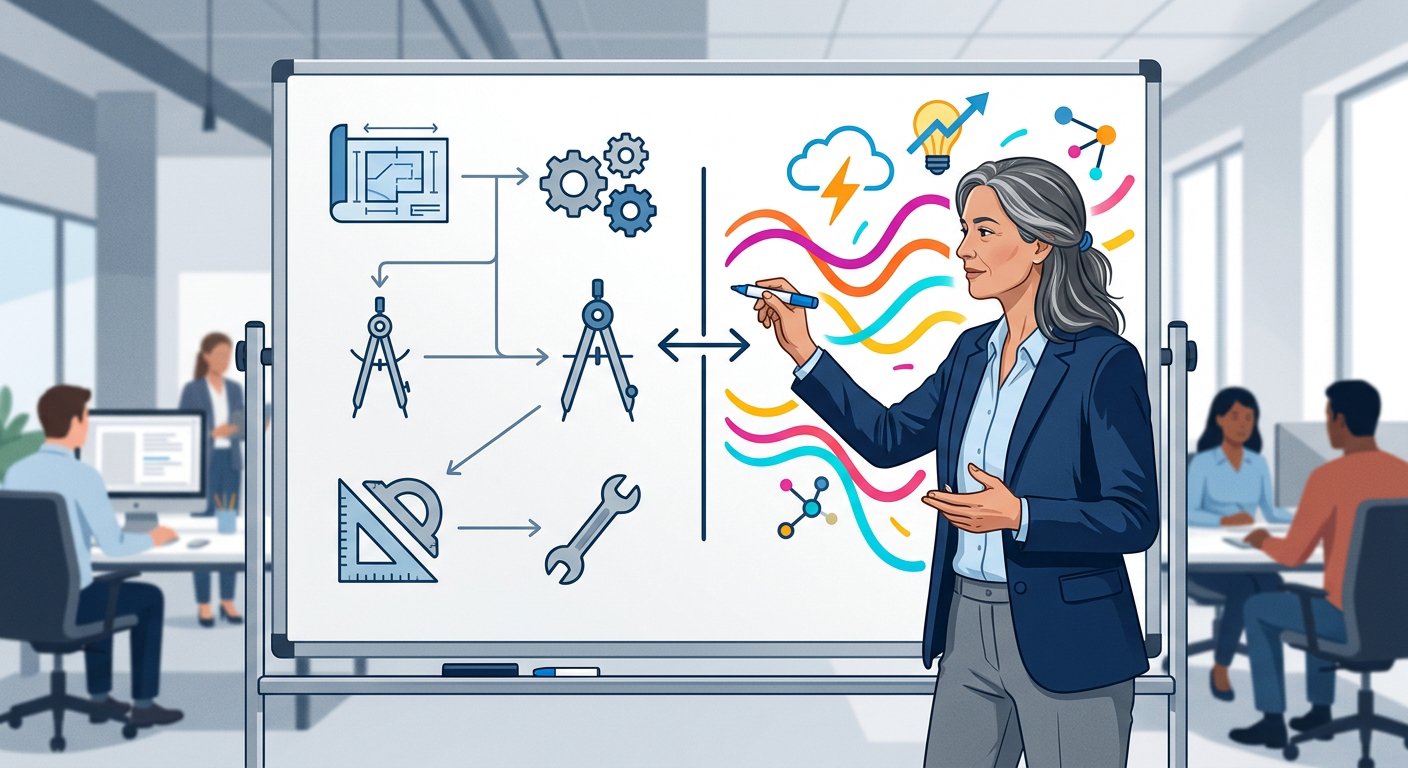
This is where career leverage is shifting. The valuable engineer is not the person who rejects the new tool. It is also not the person who believes every demo. The valuable engineer connects new capability to old operational questions: latency, security, rollback, data quality, observability, cost, and maintainability.
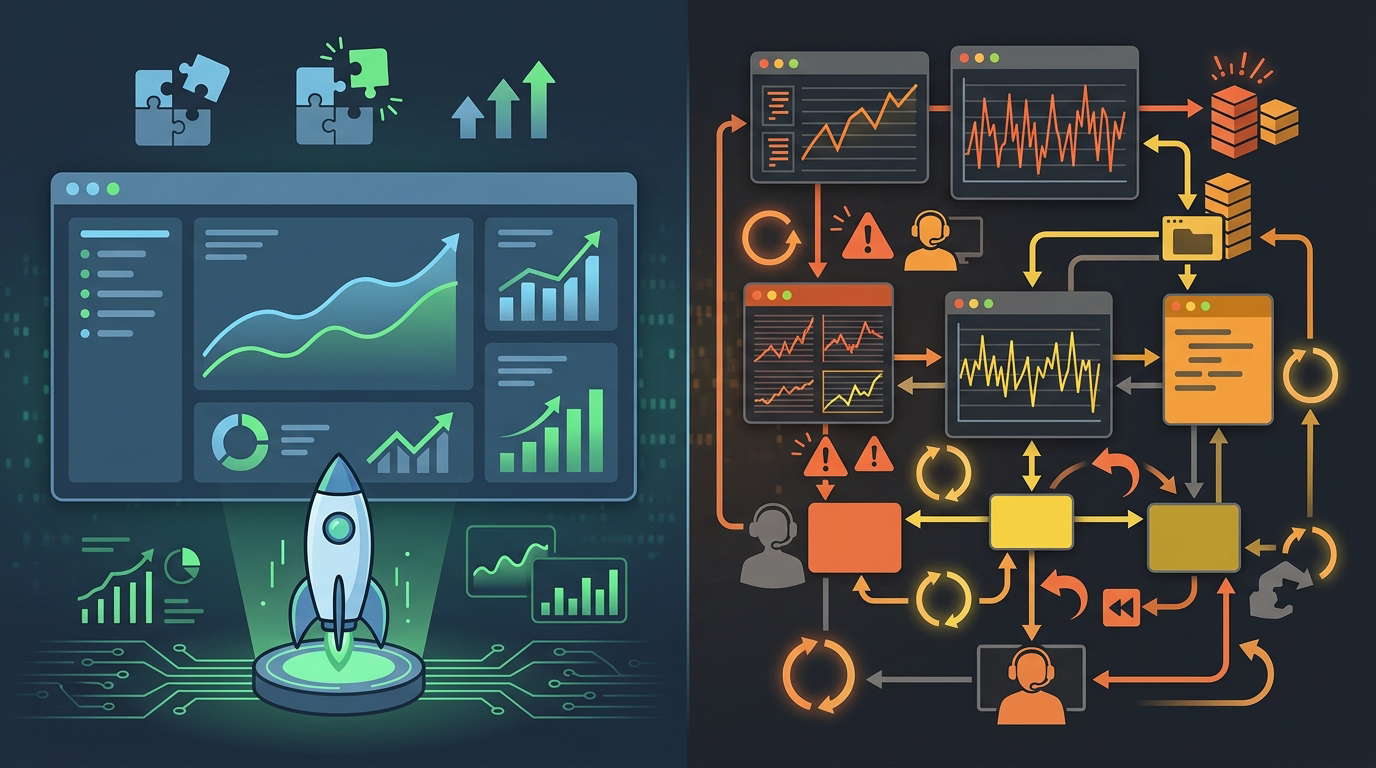
That is why AI-assisted development changes the engineering process. The tool is only one part of the system. The process around the tool decides whether it becomes leverage or production debt.
The career risk is letting confidence replace ownership
Every hype cycle creates a confidence gap. Some people learn just enough of the tool to sound certain. Others have enough production experience to know where the hidden edge cases live, but they stay quiet because the conversation has become theatrical.
That is a mistake. If engineers do not lead the operational conversation, someone else will define success around the demo. Then the team discovers the real cost later: unclear ownership, brittle workflows, weak validation, security gaps, and systems nobody wants to maintain.
I see the same pattern behind failed pilots: the prototype works, but the organization never answered the hard production questions. That is exactly why many AI strategies collapse after the pilot phase. The pilot proves possibility. Engineering proves repeatability.
A practical framework for engineers in 2026
My career lesson for engineers in 2026 is simple:
- Do not dismiss the new tool. AI is powerful. It is changing real work.
- Do not let the tool replace engineering judgment. Treat it as a capability that still needs design, constraints, and ownership.
- Translate principles into business language. Talk about latency, cost, security, ownership, rollback, data quality, and support load.
- Ask the production questions early. When someone says “AI can do this,” ask who validates it, who maintains it, and who owns the failure mode.
- Build a reputation for separating demos from dependable systems. That reputation compounds faster than tool-specific hype.
This is also a useful interview and leadership signal. In technical conversations, engineering judgment is stronger than pretending to know. The same rule applies inside companies: clarity beats performance theater.
The engineers who win this wave
The engineers who win this wave will not be the ones shouting “it is all hype,” and they will not be the ones believing every demo. They will be the ones connecting new tools to old principles: simplicity, testing, ownership, measurement, and operations.
That is not anti-AI. It is the most useful way to make AI survive contact with real systems.
Tactical checklist for the next AI discussion:
- What failure mode are we accepting?
- Who owns validation and rollback?
- What data quality assumption can break this?
- How will we measure cost after the demo?
- What must still be reviewed by a human with production context?
What engineering principle are you still not willing to give up, even in the AI era?
Originally posted on LinkedIn: read the discussion here.