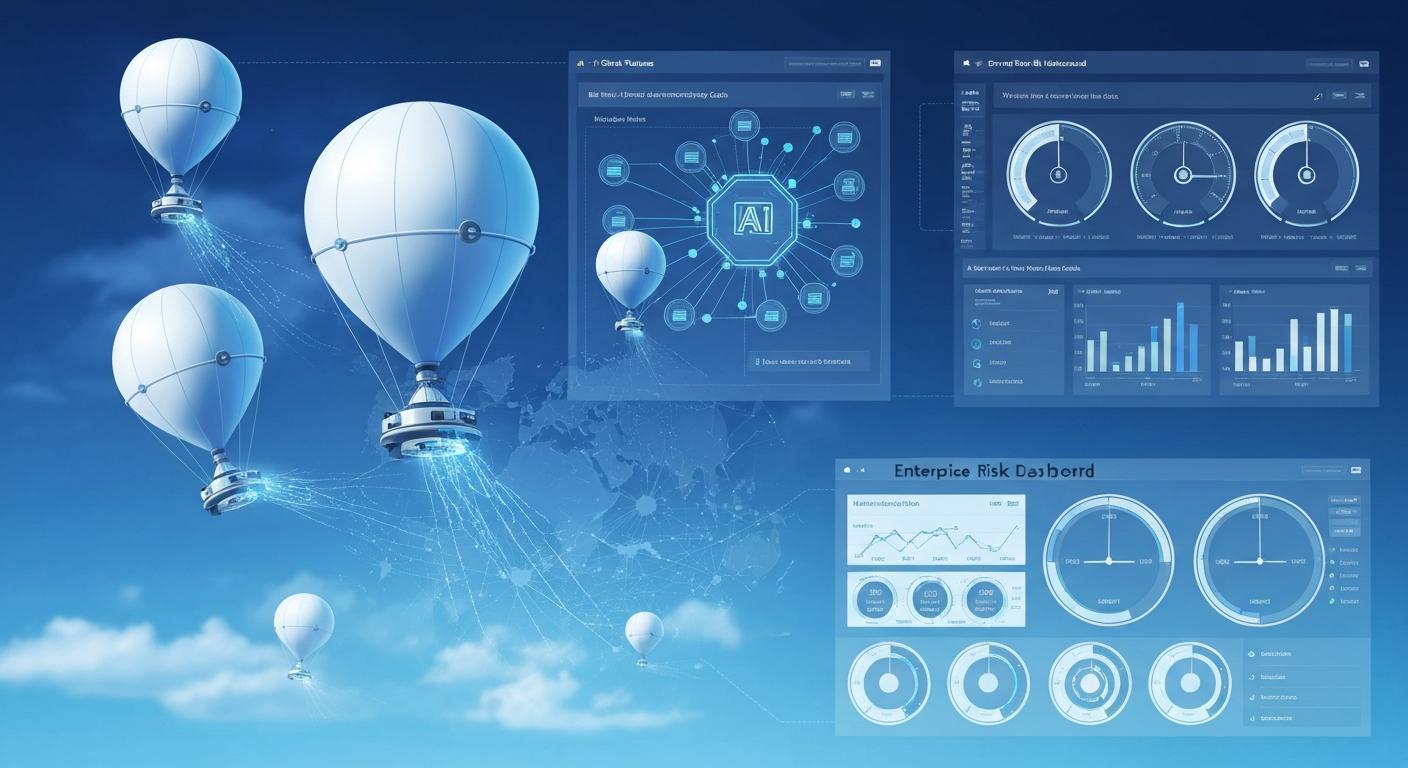
Every month, a simple internet ritual repeats itself: companies post who is hiring, candidates scan for opportunities, and someone carefully marks whether the role is REMOTE, ONSITE, or restricted to a specific country.
On the surface, this looks like HR plumbing. But for engineering leaders, product leaders, and investors, recurring hiring threads are much more useful than that. They are a practical form of business intelligence.
The June 2026 Hacker News “Who is hiring?” thread is a good reminder. These lists are noisy, imperfect, and manually curated, but they show something press releases often hide: where companies are actually willing to spend budget.
Hiring data reveals strategy after the PowerPoint is over
Companies do not always describe their roadmap honestly. They may say “AI-first,” “platform-led,” “security-driven,” or “cloud-native” because those phrases sound good in public. But hiring exposes where the operating plan already changed.
If a company opens multiple platform engineering roles, the product may have grown faster than the infrastructure. If security hiring spikes, risk probably moved from an engineering concern to a board-level issue. If “AI engineer” appears everywhere, the interesting question becomes whether there is a real product behind it or only an experimentation budget.
This is why I treat hiring threads as a strategic signal. They are lagging indicators of decisions already made, but leading indicators of operational pain that may become visible twelve months later.
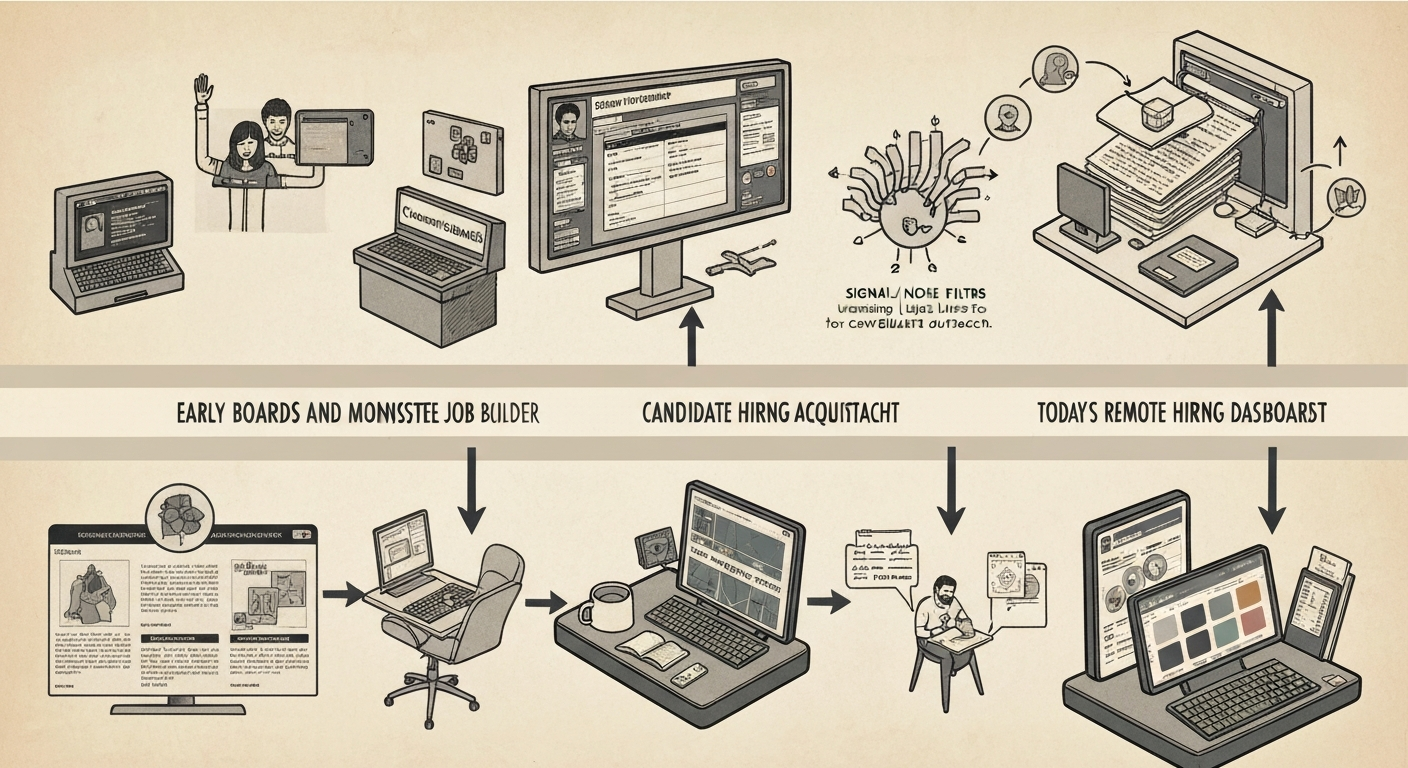
The history is clear: job descriptions expose technology transitions
During the dot-com years, hiring posts told you who was building portals, marketplaces, and early web infrastructure. In the mobile era, they showed the shift toward iOS and Android talent. In the cloud era, they revealed the rise of SRE, DevOps, and eventually platform engineering.
Now the pattern is repeating around AI infrastructure, data engineering, security, ML systems, automation, and cost-aware platform work. The exact job titles change, but the mechanism is the same: a market problem becomes real when companies allocate headcount to it.
This connects directly to the kind of organizational debt I wrote about in The Problem with AI-First. When leadership adopts a technology theme before the operating model is ready, the hiring plan eventually reveals the missing capabilities.
The same is true for infrastructure maturity. When teams move from experimentation to serious operations, the work starts to look less like demos and more like the practical systems thinking behind Kubernetes at Home: ownership, reliability, capacity, and repeatable deployment.
How I would read a hiring thread as an engineering leader
I would not only count roles. I would look for patterns:
- Stack convergence: which tools and languages keep appearing?
- Operational pain: are companies hiring platform, infra, security, or FinOps roles because systems are getting harder to run?
- Remote reality: is remote work still a serious operating model, or just a recruiting slogan?
- Role creation: which titles did not exist a few years ago but now appear repeatedly?
- Buzzword decay: which once-hot terms quietly disappear from job descriptions?
This is similar to reading production telemetry. A single data point is weak. A recurring pattern across many companies is a signal.
A tactical checklist for using hiring data
- Compare job descriptions against public strategy statements. Look for mismatches.
- Track which capabilities move from “nice to have” to required.
- Watch for sudden growth in operational roles: platform, SRE, security, data governance, FinOps.
- Use hiring threads to validate whether a technology trend has moved from hype into budget.
- Review your own job posts: they may reveal your real strategy more clearly than your roadmap deck.
A good hiring list is not only HR. It is a seismograph for the industry. It shows where budget exists, where pain is accumulating, and which technical problems are becoming business problems.
Originally posted on LinkedIn: Hiring lists as business intelligence.