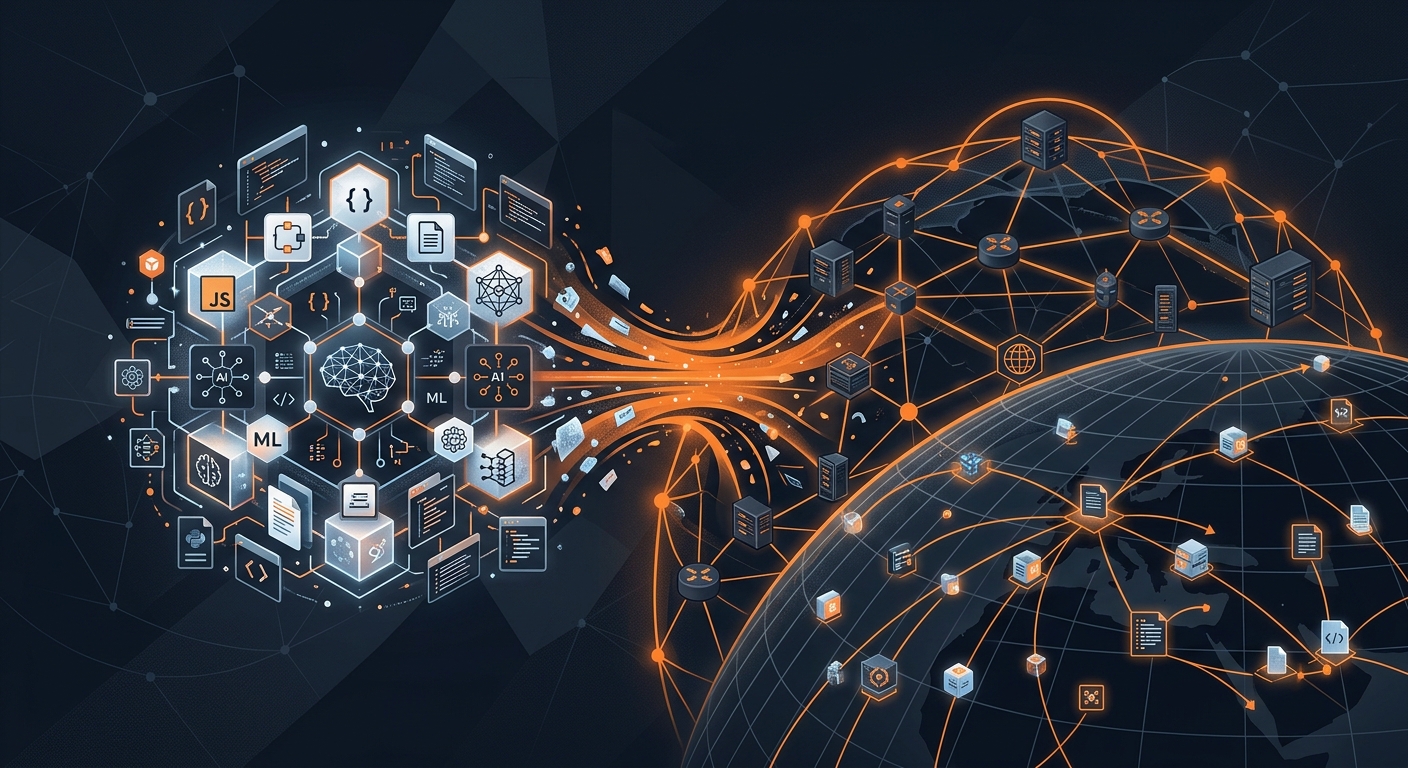
Developer infrastructure is consolidating faster than most teams realize. The interesting part is not just another acquisition, partnership, or integration. The deeper shift is that the boundaries between framework, bundler, runtime, edge platform, observability, and AI workflow are starting to collapse into one vertical path.
Cloudflare’s announcement that VoidZero is joining Cloudflare is a useful signal. VoidZero sits close to the JavaScript toolchain layer: build systems, bundlers, linting, formatting, and the developer experience around shipping modern applications. Cloudflare sits close to the runtime, edge network, deployment, and operational layer. Put those together and you can see the strategic direction: own more of the path from idea to code to production.
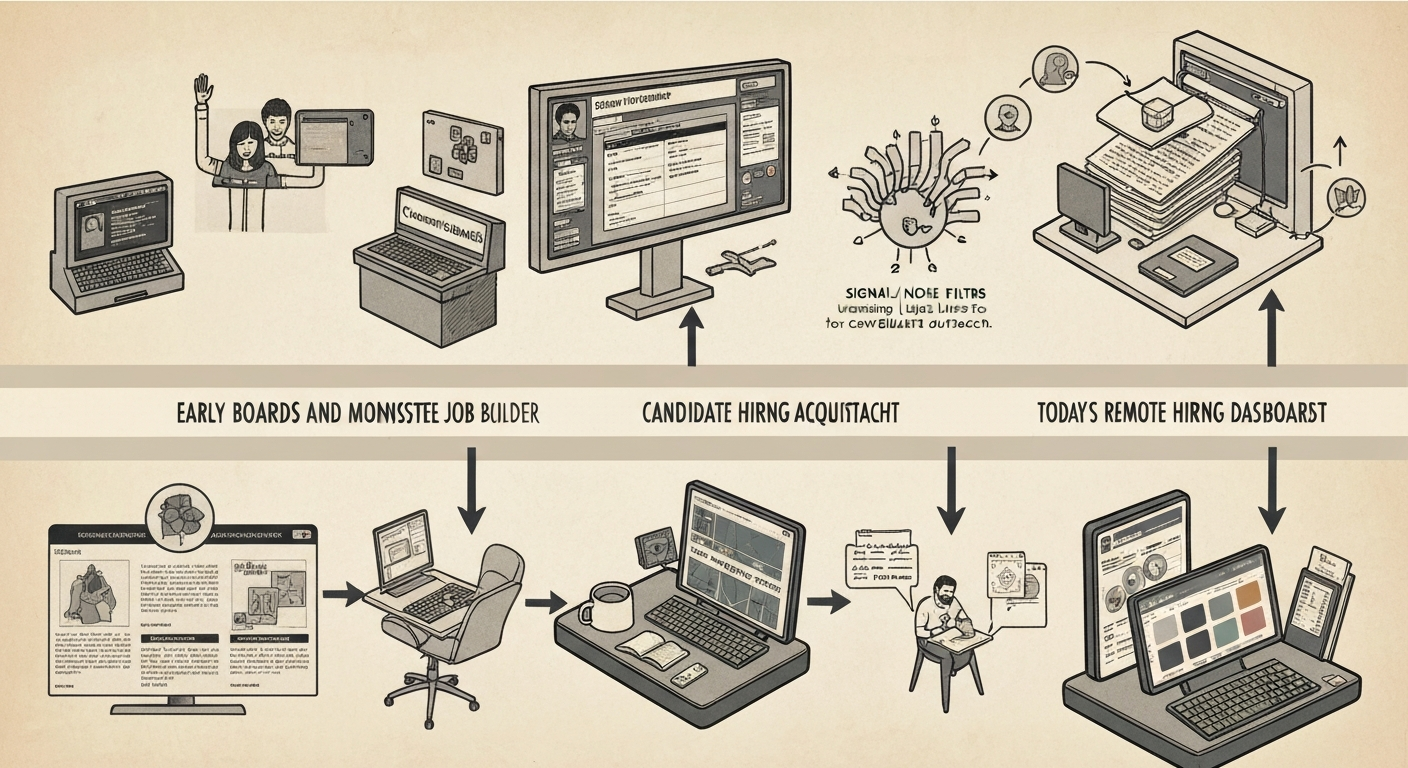
The old stack was horizontal
For years, software teams selected each layer independently. A framework here. A bundler there. A CI platform. A hosting provider. A monitoring stack. A separate AI tool. That horizontal model gave teams flexibility, but it also created integration cost. Every boundary became another contract to understand, secure, debug, and pay for.
This is why developer experience became such a strong selling point. If a platform can reduce the number of boundaries between writing code and running code, it does not only save minutes. It changes how teams make architecture decisions. Convenience becomes a form of gravity.
The new stack is becoming vertical
The next generation of developer platforms is not only competing on speed. It is competing on ownership of the workflow. Whoever controls the route from commit to build to deploy to observe to optimize gets strategic leverage. At that point, the platform is no longer “just infrastructure.” It becomes the control plane for the product.
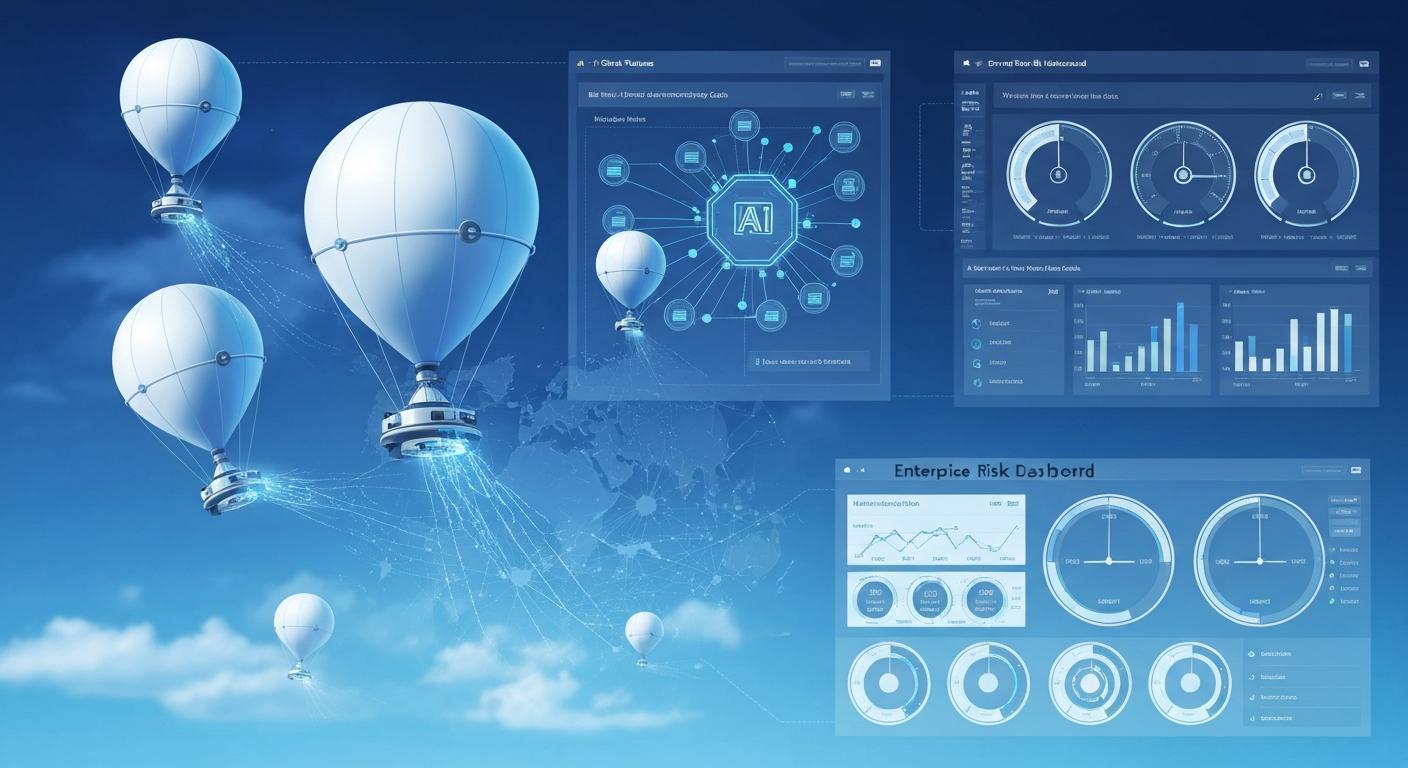
This matters even more as AI enters the delivery path. AI features need evaluation loops, prompt/version control, latency management, security boundaries, and fast experimentation. I wrote about a related pattern in The Real AI Moat Is the Data Loop: the long-term advantage is often not the model alone, but the system that keeps turning production feedback into better product decisions.
The tradeoff: better DX, more platform dependency
There is a real benefit here. Less glue code. Fewer fragile integrations. Better defaults. Faster deploys. A smaller operational surface area for small teams. But the same convenience can also hide a strategic dependency. If one vendor owns the framework path, build path, runtime path, and AI workflow, leaving later becomes harder than adopting early.
This is the same organizational pattern behind AI-first organizational debt. Teams often optimize for immediate acceleration, then discover later that the shortcut became part of the operating model. The question is not whether vertical platforms are good or bad. The question is whether the team understands the dependency it is accepting.
A practical checklist for engineering leaders
- Map the path from commit to user. Which vendors, tools, and internal systems participate?
- Identify the control points. Who controls builds, deploys, secrets, logs, rollbacks, and runtime policy?
- Separate DX from lock-in. A great developer experience is valuable, but it should be priced as a strategic dependency, not just a productivity feature.
- Check the failure modes. If the platform is unavailable, can you still ship, rollback, or operate degraded service?
- Review your portability story once a year. Not because you plan to migrate tomorrow, but because architecture options decay when nobody maintains them.
For teams running more of their own infrastructure, this is also why platform design should stay explicit. Even in a homelab or Kubernetes environment, the same principle applies: know which layer is a convenience wrapper and which layer has become a control plane. That is one reason I still like documenting infrastructure decisions, as in Kubernetes at Home.
My take: the future of developer platforms will be more vertical. That can make teams faster, but only if they stay honest about who controls the workflow and what the convenience costs over time.
Originally posted on LinkedIn: https://www.linkedin.com/feed/update/urn:li:activity:7468527298321772544/